
Swimming is a life skill.
It's also a life-saving skill. And right now, too many kids in our community don't have access to either.
*Priority for enrollment will go to local children from Franklin and Adelante Elementary schools.
In partnership with

A Week of Wilderness & Water
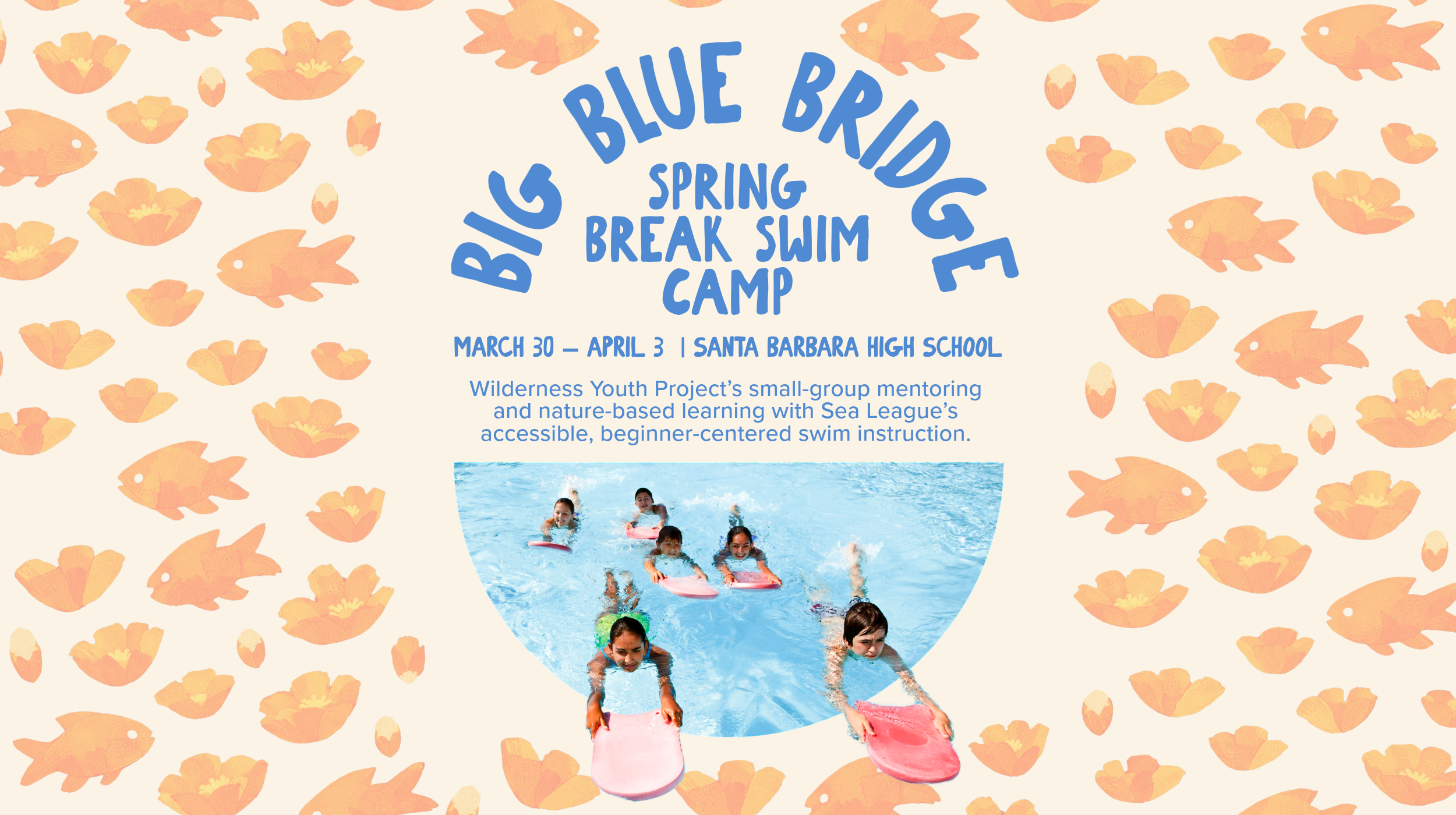
This spring break, Sea League is partnering with Wilderness Youth Project to offer a full-day experience that connects kids to nature from the trails to the pool.
This is for kids ages 6-12who do not know how to swim or are not confident to swim alone. Priority for enrollment will go to local children from Franklin and Adelante Elementary Schools.
Morning (8:45 AM – 12:30 PM): Kids spend the first half of their day with WYP mentors exploring wilderness settings in Santa Barbara.
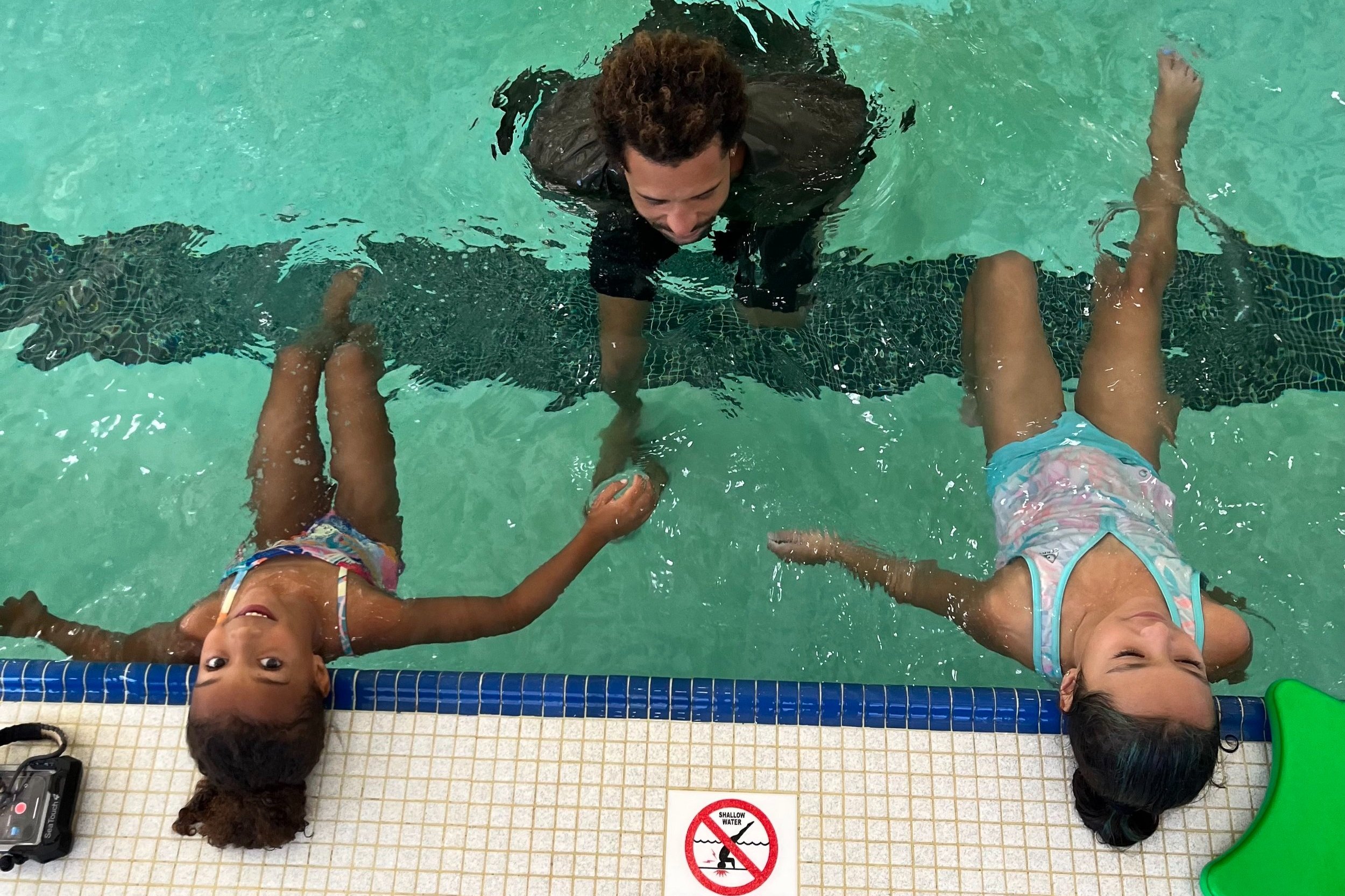
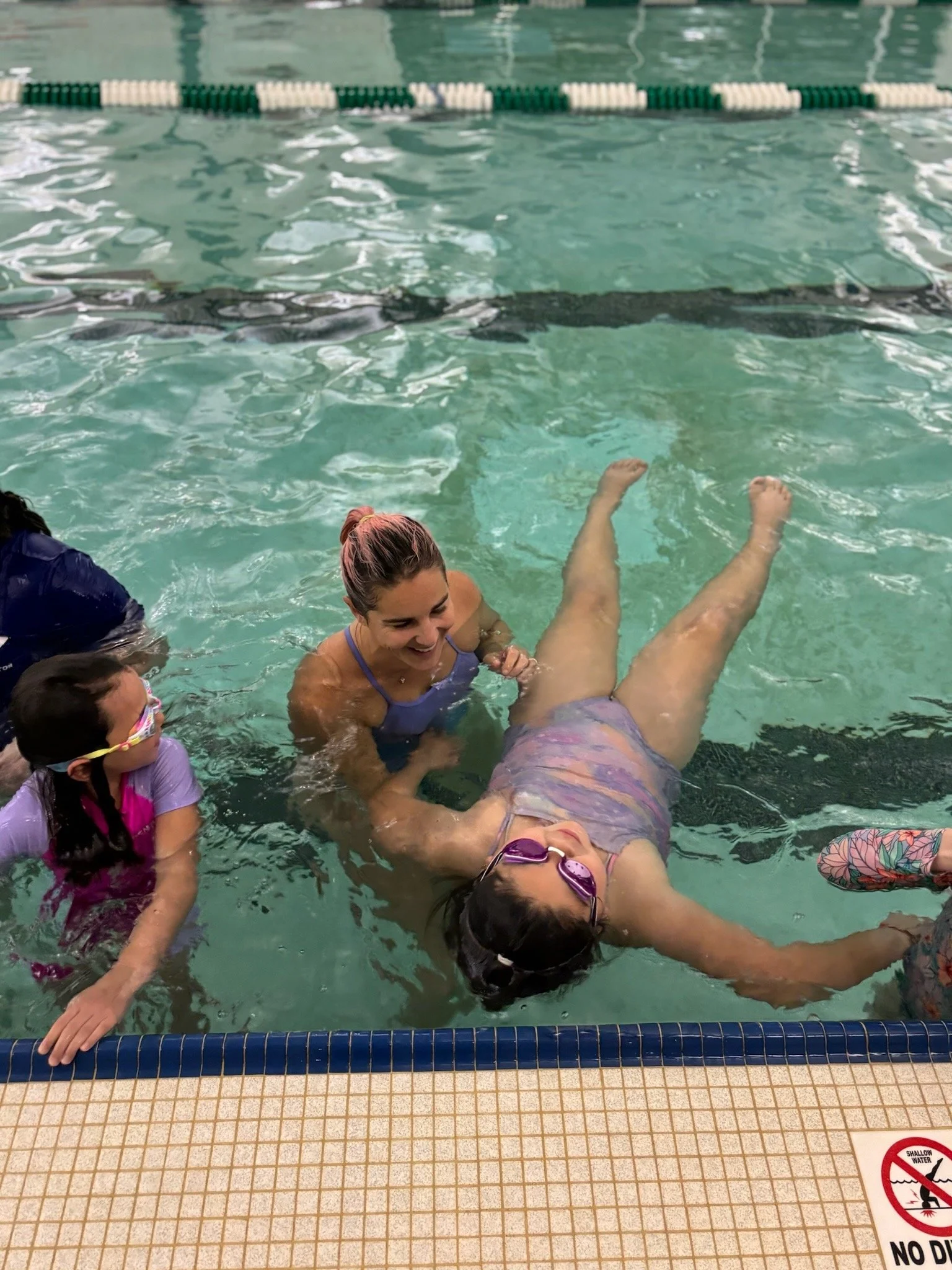
Afternoon (1:00 – 4:00 PM): WYP brings participants to Santa Barbara High School, where Sea League lifeguards guide them through structured swim instruction to prepare them for ocean swimming.
Pick-up (4:15 PM): Families pick up at Franklin Elementary.
Two organizations. One week. A lifetime of nature connection!
Learn to Swim
Progress through skill blocks designed by lifeguards to build water confidence and ocean readiness.

Connect with Nature
Mornings with WYP immerse kids in wilderness exploration before afternoon pool sessions.
Pathway to the Ocean
Participants gain the skills to confidently join Sea League's after-school surf, SUP, snorkel, and science programs.

Small Ratios
Community volunteers support our instructors, ensuring personalized attention for every swimmer.
Why This Matters
1
2
4
64% of Black children have few to no swimming skills.
The same is true for 45% of Latino children and 40% of white children. Swimming ability gaps start young and persist across generations. When parents don't swim, kids don't learn. — American Red Cross
Black children drown at 7.6x the rate of white children in pools.
Among kids ages 10-14, the disparity is staggering. This isn't about ability. It's about access. Communities without pools, programs, or affordable lessons see the consequences. — CDC, 2024
3
72% of Hispanic adults have never taken a swimming lesson.
For Black adults, that number is 63%. These aren't personal choices. They're the result of decades of segregated pools, underfunded programs, and communities left out of water access. — CDC Vital Signs Report
79% of kids in low-income households can't swim.
In households earning under $50,000, nearly 4 in 5 children have few to no swimming skills. Cost is the barrier. Big Blue Bridge removes it.
— American Red Cross
Camp Details
Dates: March 30 – April 3, 2026
(Monday – Friday)
Ages: 6-12
9:00am - 4:15pm
Space is limited to 24 participants. Early registration is encouraged.
Once registered, your child(ren) will be placed on the waitlist. Families will be notified of their acceptance status by March 13.
-
Drop-off: Franklin Elementary, 9:00 AM
Morning program: Wilderness settings with WYP
Afternoon program: Santa Barbara High School Pool, 1:00 – 4:00 PM
Pick-up: Franklin Elementary, 4:15 PM
-
Swimsuit (worn under clothes)
Towel
Change of clothes
Sunscreen (applied before arrival)
Water bottle
Snacks and lunch
-
Sliding scale pricing available. Priority registration for families with higher economic need.
SUPPORT FUTURE OCEAN LOVERS.
This program prioritizes families who face the greatest barriers to swim access. Registration will be offered on a sliding scale, with priority given to households with higher economic need.
Questions? Call or text us at (805) 964-8096 or email us at registrar@wyp.org.
Get in the Water With Us
We're looking for community members to support our swimmers each day of camp.
When: March 30 – April 3, 1:00 – 4:15 PM daily
What you'll do: Provide in-water support alongside our lifeguard instructors. No teaching experience necessary - just comfort in the water and enthusiasm for helping kids succeed.
Why it matters: Lower instructor-to-swimmer ratios mean more individual attention, faster progression, and safer learning for every child.
This is hands-on mentorship. You'll be part of the moment a kid realizes they can float, kick, and breathe on their own.

Swimming ability is our biggest barrier of entry for any activity involving the ocean.
For many of these kids, this is the start of a path toward marine science, lifeguarding, or outdoor careers they never knew existed.
When kids can swim, they can explore. When they can explore, they belong.